How a sardine is made: from clay to glaze
Two firings, five days and a very steady hand. A morning in the studio with our painters.
· 5 min read
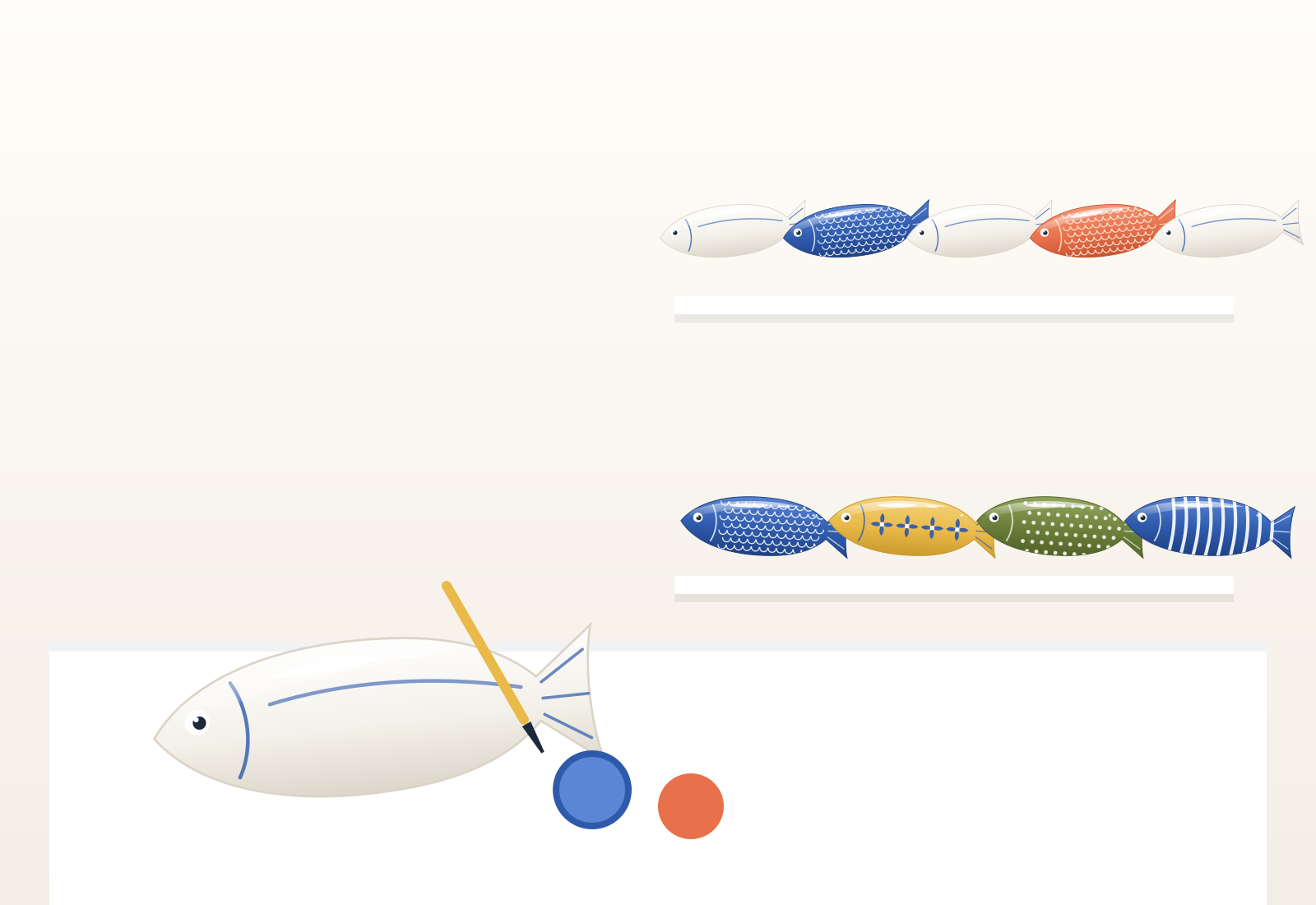
Every sardine starts as a slab of fine white stoneware, pressed by hand into a plaster mould we carved ourselves. It dries for two days before its first firing at 980°C, which turns it into bisque: pale, porous and ready for colour.
Painting, one brushstroke at a time
Our painters work freehand. Scales, stripes and azulejo flowers are never traced, so no two fish are the same. A single Statement sardine can take a whole afternoon.
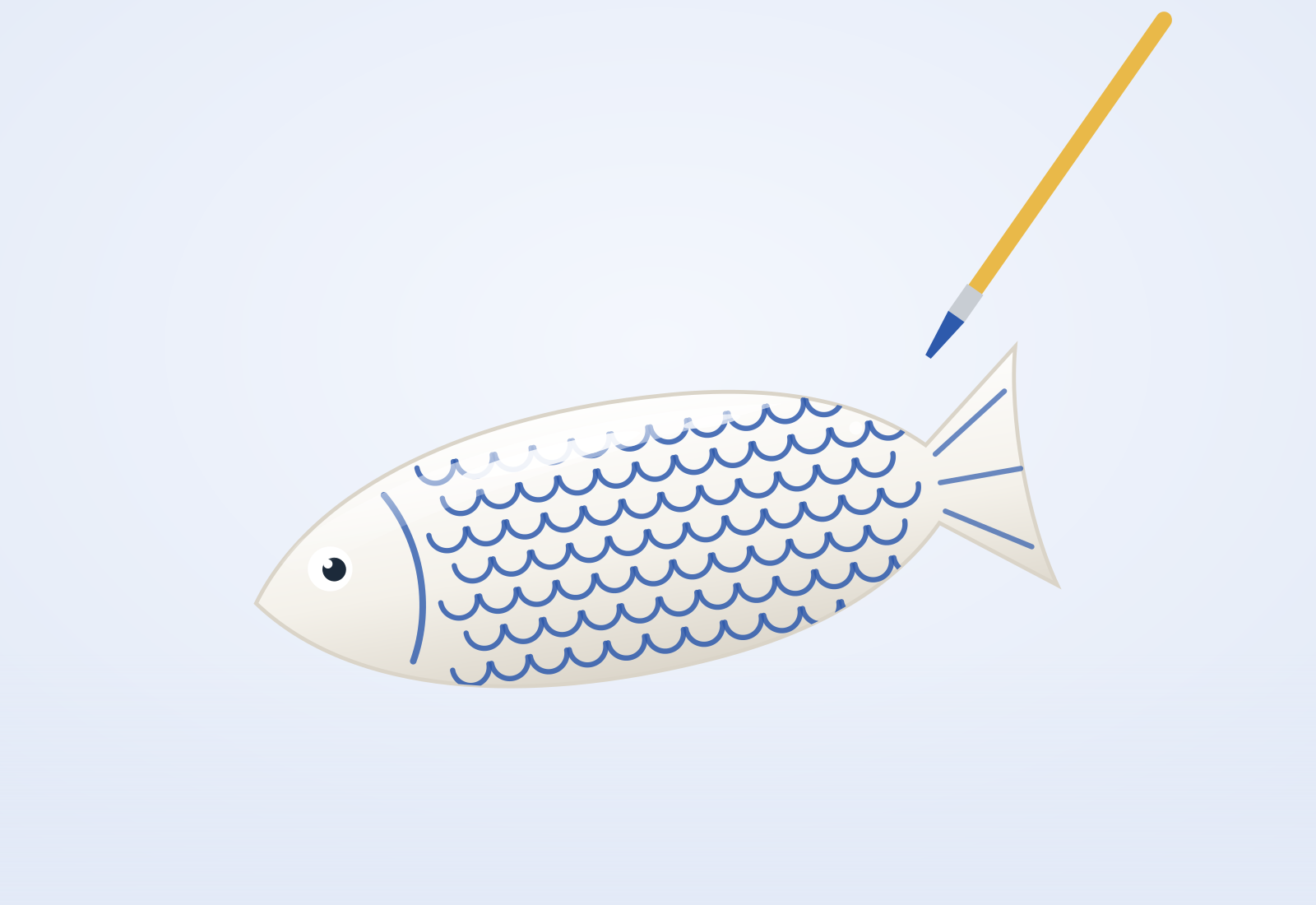
“If two sardines look identical, one of us wasn't paying attention.”
The second firing
A clear, lead-free glaze goes on last. At 1,200°C it melts into glass and gives the colours the wet, glossy look people notice first. It's also why we can't promise the exact shade you see on screen: the kiln decides the details.
More from the Journal

Gift guides
The Terra gift guide: joyful things under €50
Easy to wrap, easy to post, and very Portuguese. Our favourite small gifts this season.
· 3 min read
At the table
Setting a petiscos table, the Portuguese way
Olives, good bread, a bottle of oil and small plates for sharing. Our guide to a slow Portuguese evening.
· 4 min read